Greenland: seen a lot, had enough
This morning I woke up rested, and buoyant. I quickly realised why: the disquiet that had accompanied me since we left Iceland had vanished.
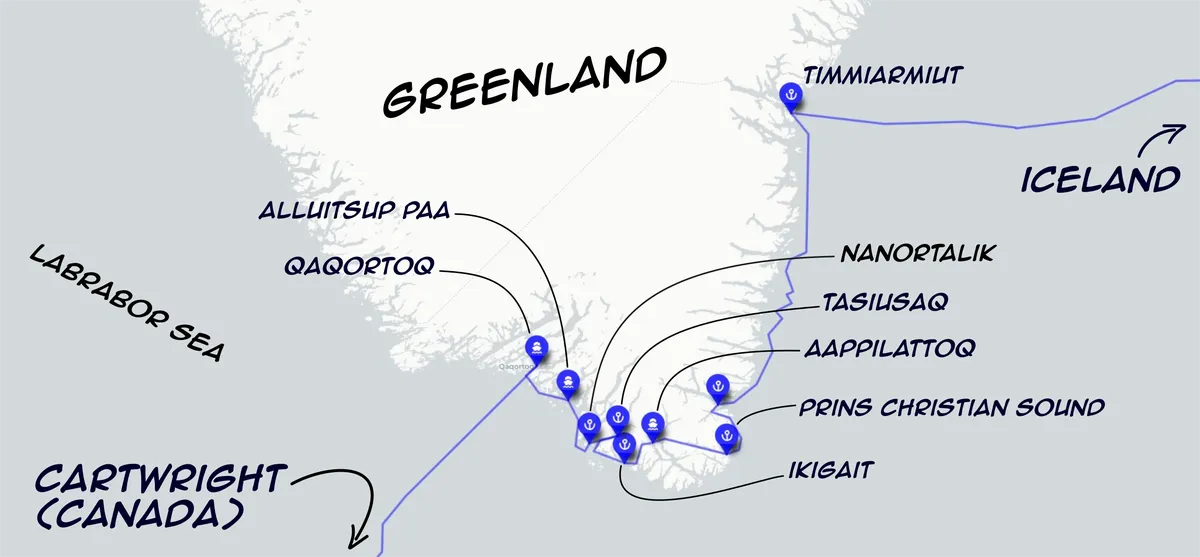
We arrived in Cartwright yesterday, after crossing the Labrador Sea from Greenland. A solid wooden quay, a harbour sheltered from offshore weather. Not a single iceberg on the horizon.
We saw more of Greenland than planned, and less. More, because the weather pushed us up the east coast on the crossing from Iceland. Less, because a weather window opened early to cross to Canada. All the boats travelling with us were taking the window. Many had already crossed. We'd seen a lot already, and we'd had enough, too: floating ice, unplanned gusts, anchorages that were never quite right.
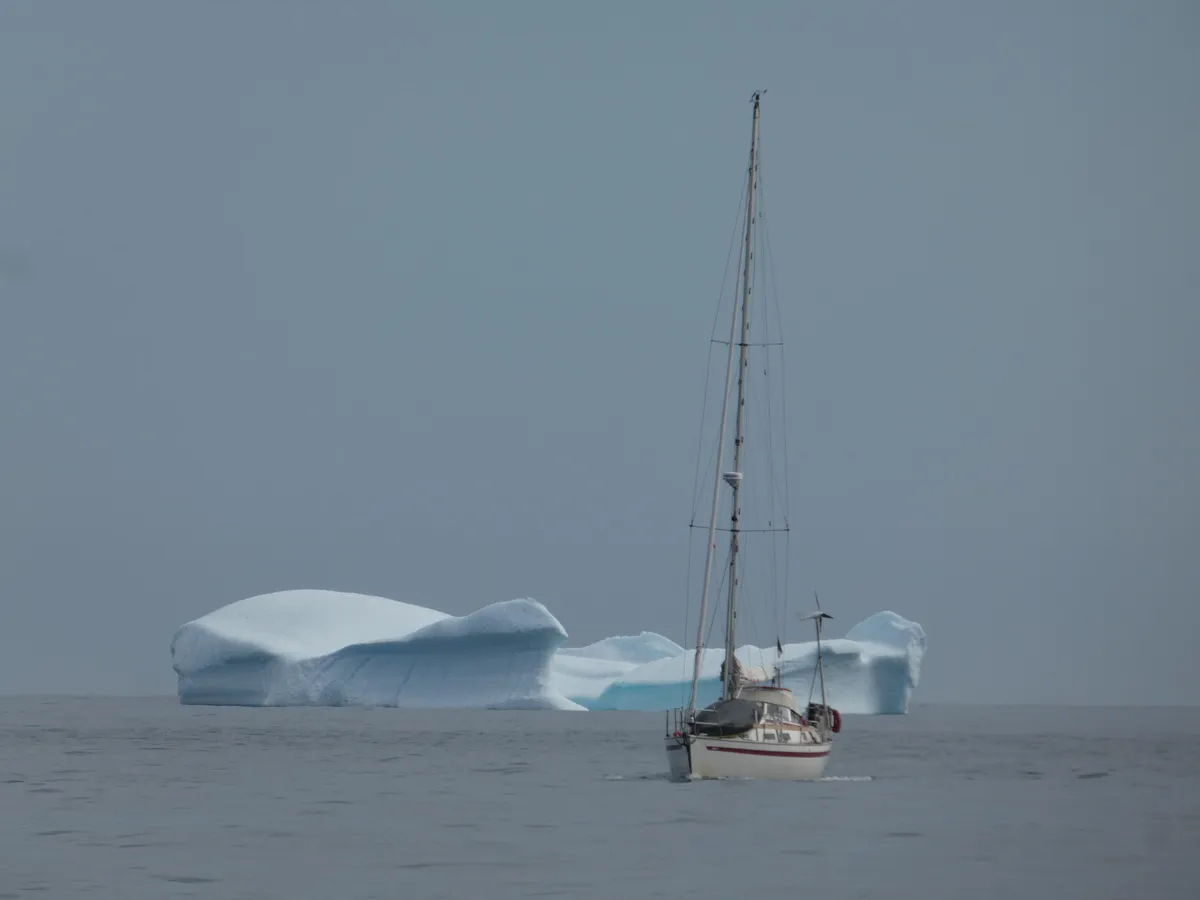
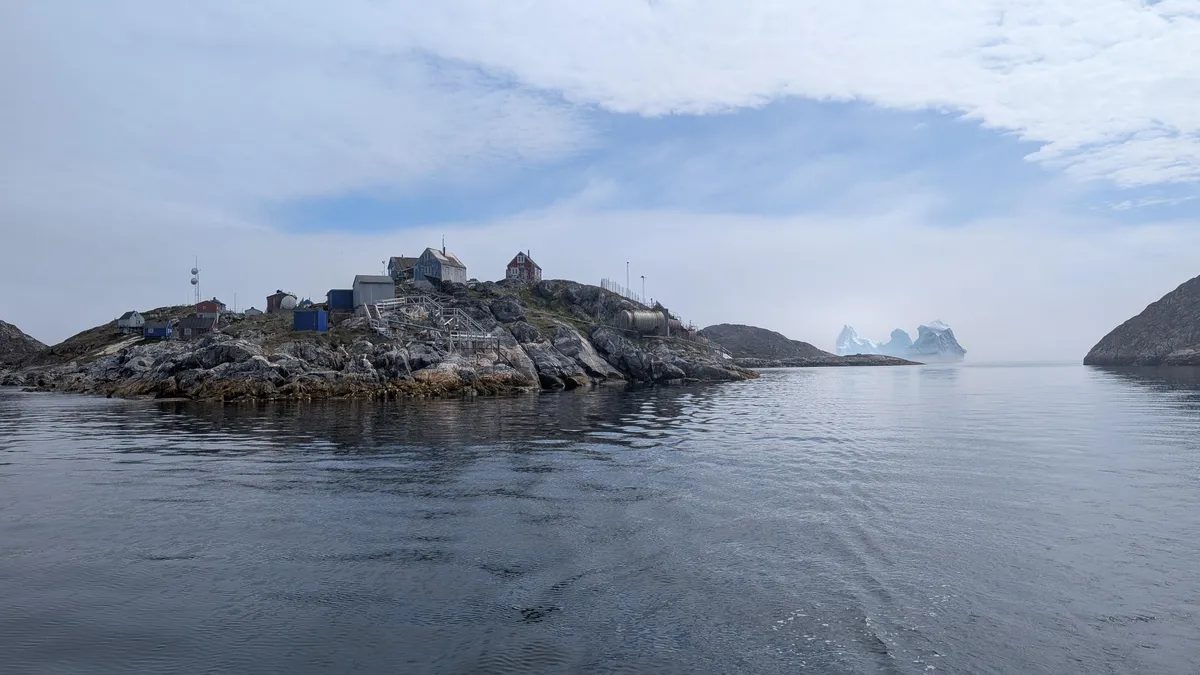
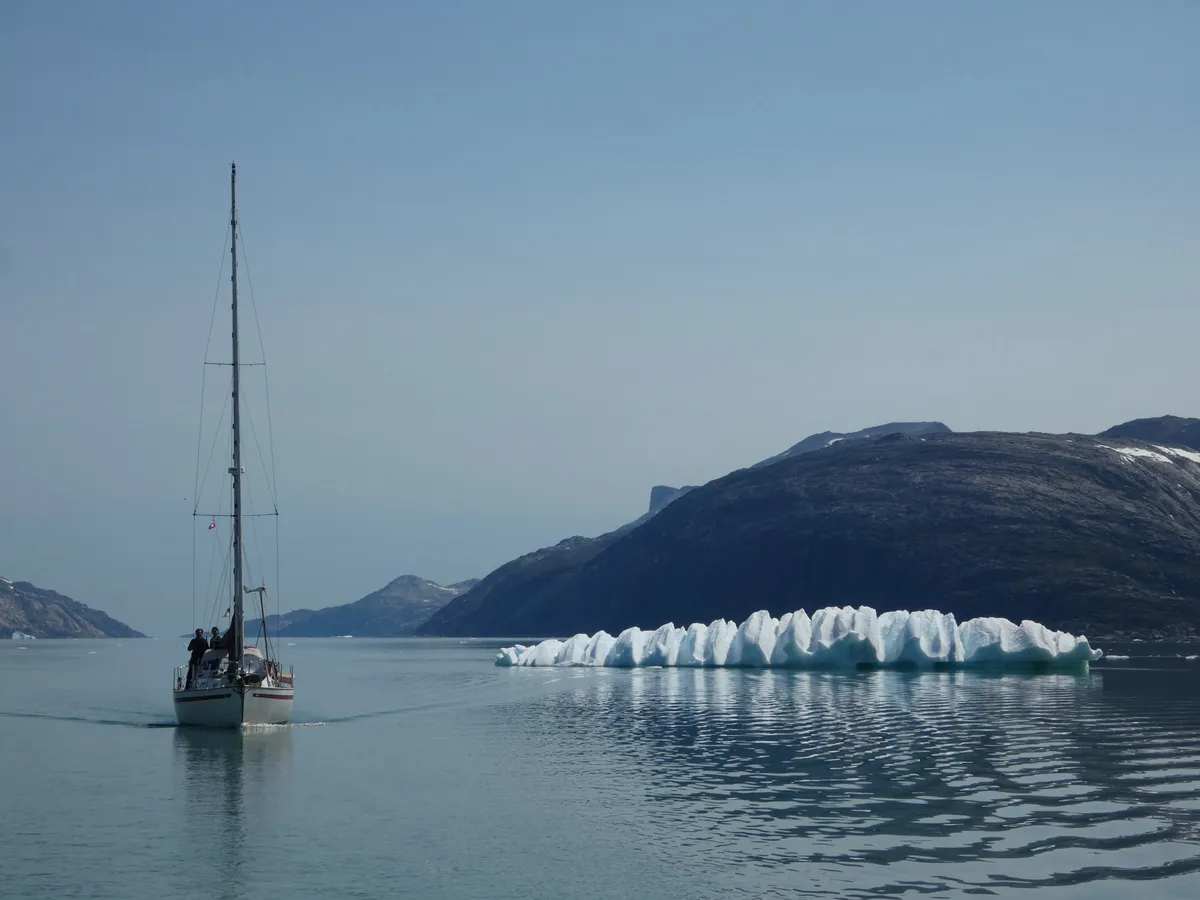
The East Coast was one of the best surprises of the trip. We'd initially excluded it: too icy, not enough safe anchorages, a permit needed to go ashore. It was all that. It was also like no other place we've been: remote, wild, mountains covered by an ice cap as far as we could see, glaciers calving into the ocean, and the icebergs. Scary, and pieces of art: white with blue reflections, sculpted by sea and sun. Huge. The ones in Svalbard seemed like toys in comparison.
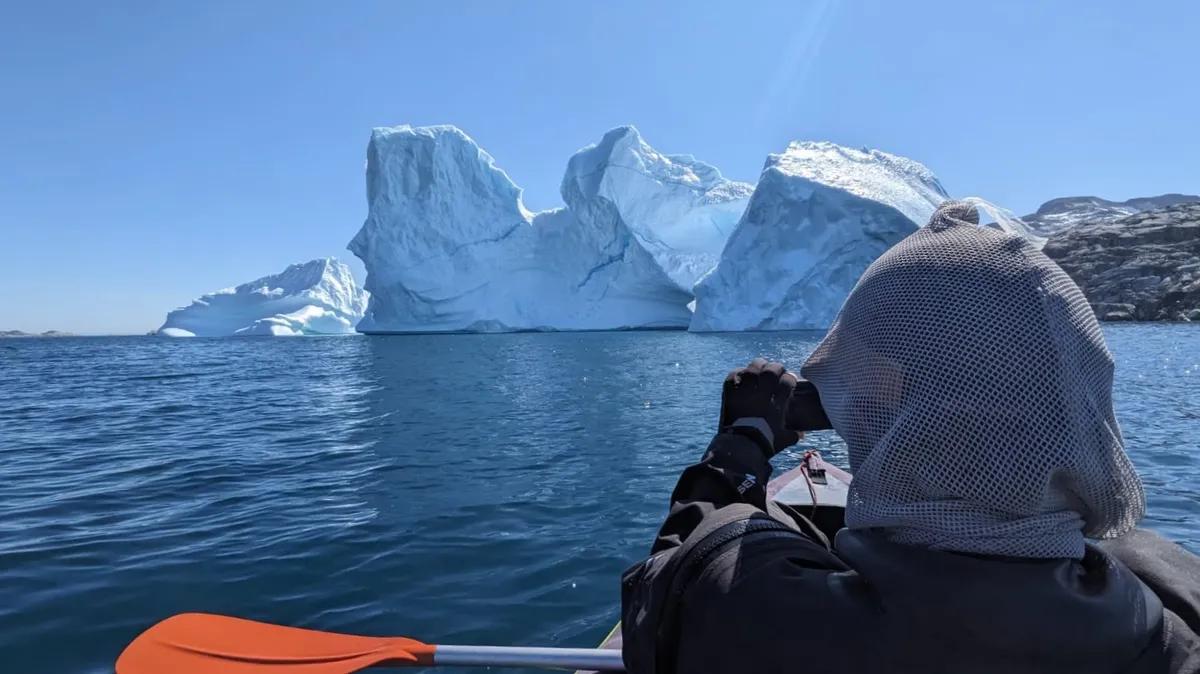
In Timmiarmiut, sheltered enough to kayak to them, we did. Scanning the coast for polar bears, watching the fracture lines in the icebergs for any hint of collapse. A single chunk calving could swamp a kayak. We paddled alongside them until tension won over awe, and took us back to Capsula.
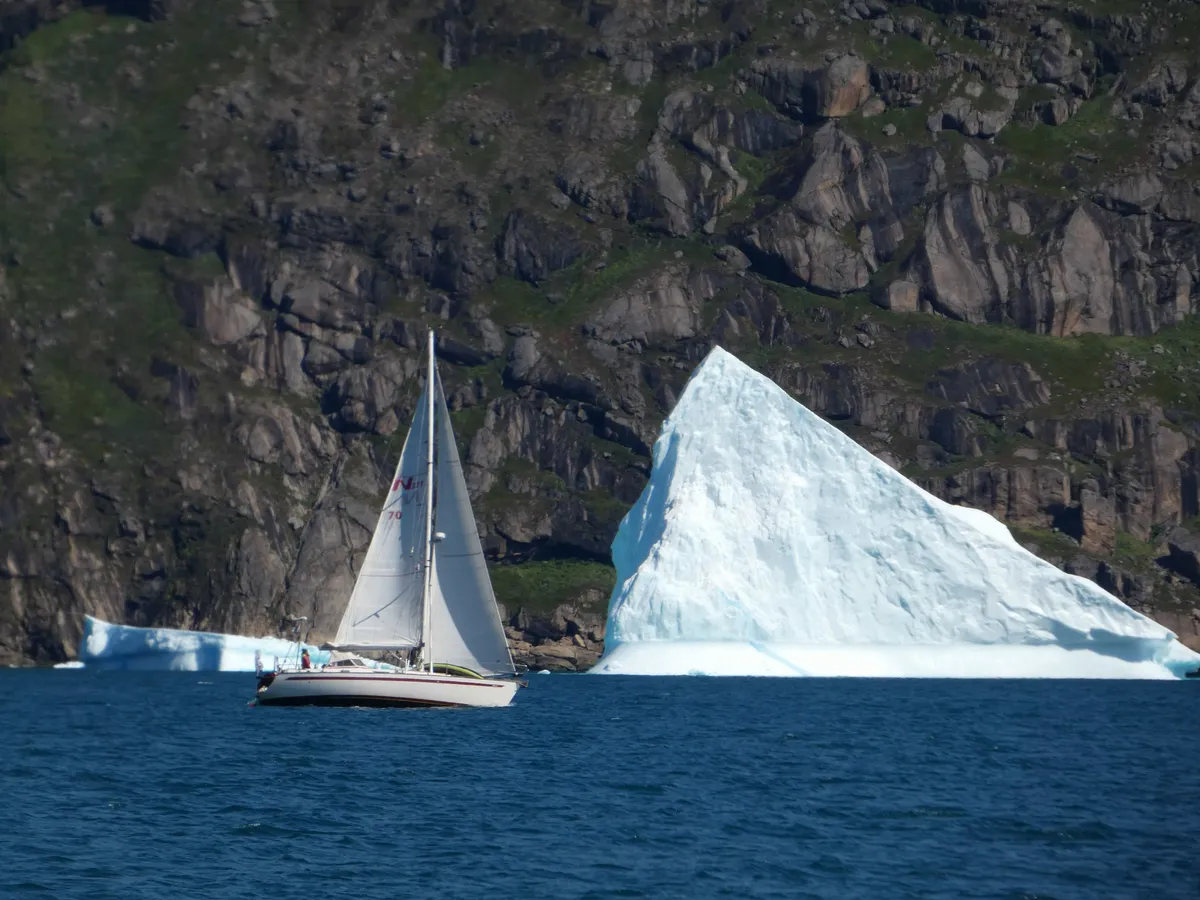
That was the pattern for the whole Greenland stay, really. Our delight in such a remote, wild place, the moments we lost ourselves in it, was matched by a constant alertness. The weather: unpredictable. Some boats got caught at anchor by gusts over 50 knots when the forecast had promised 30. The ice: beautiful, and lethal to Capsula's hull. Every passage meant a constant watch on the horizon, or the radar when fog closed it off. The polar bears: we'd assumed less of a risk than Svalbard, the government sites made less fuss about them. Until Galatée, a boat anchored next to us, had one try to climb aboard, and another swim circles around the boat. That ended our kayaking, and any thought of going ashore.
And underneath it all: if something happens, you're on your own. No marine service, no chandler, no Amazon delivery. No hospital. No grocery shop.
Unexpected support came from the network of sailors. A dedicated WhatsApp channel ran constantly: anchorage tips, ice reports, people checking on each other. We tracked each other on the map, tried to time our arrivals to overlap. We usually prefer an empty anchorage. Here, arriving to find a boat already there was a relief.
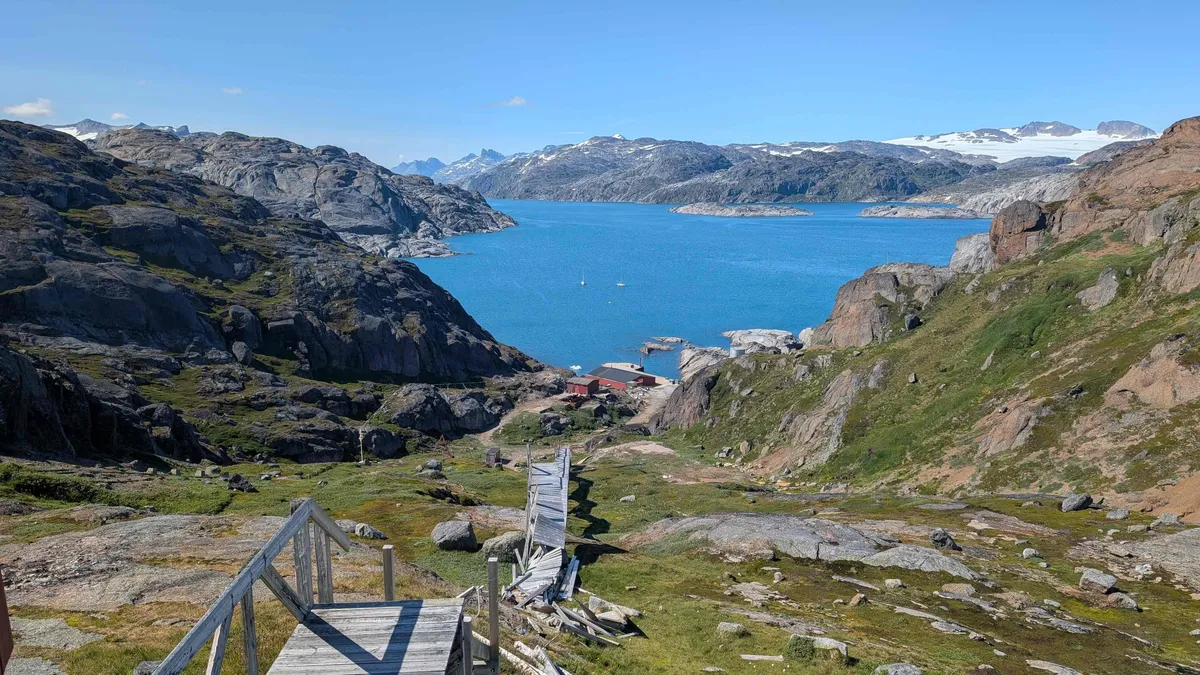
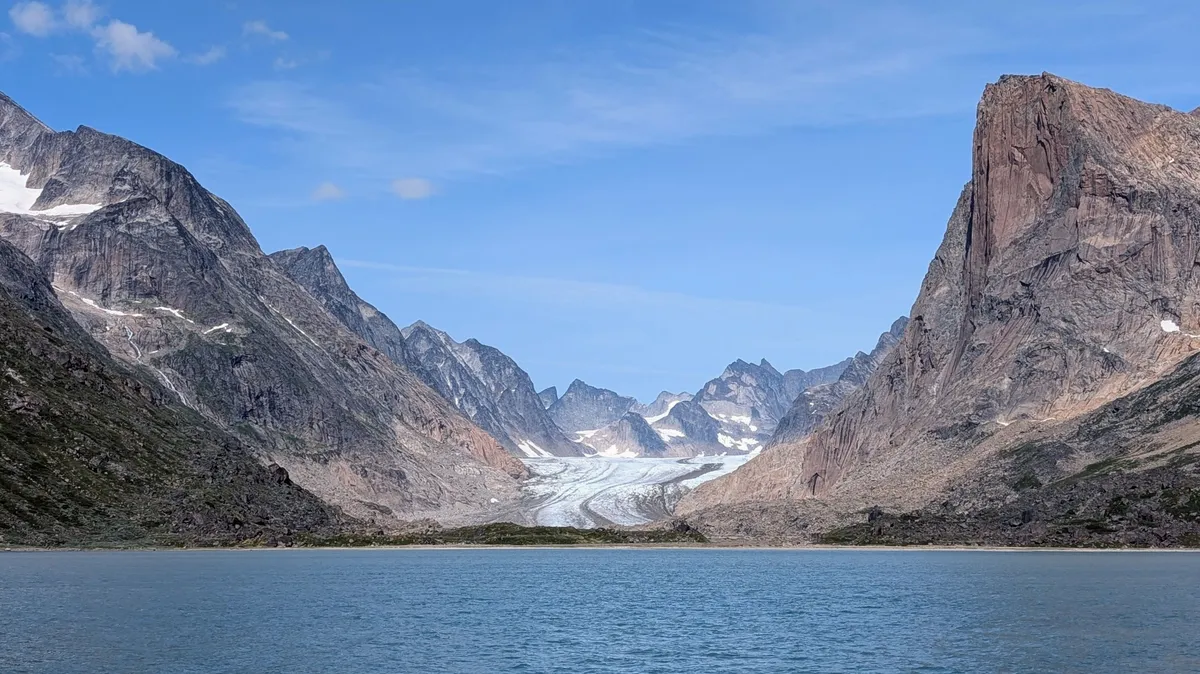
The passage through Prins Christian Sound was the perfect close to the East Coast. We thought we'd seen the most impressive part of the trip. We were wrong: glaciers appeared one after another at the head of side valleys, steep granite walls in rust and pink and grey were surrounding us. A never-ending fjord going deep into the mountains.
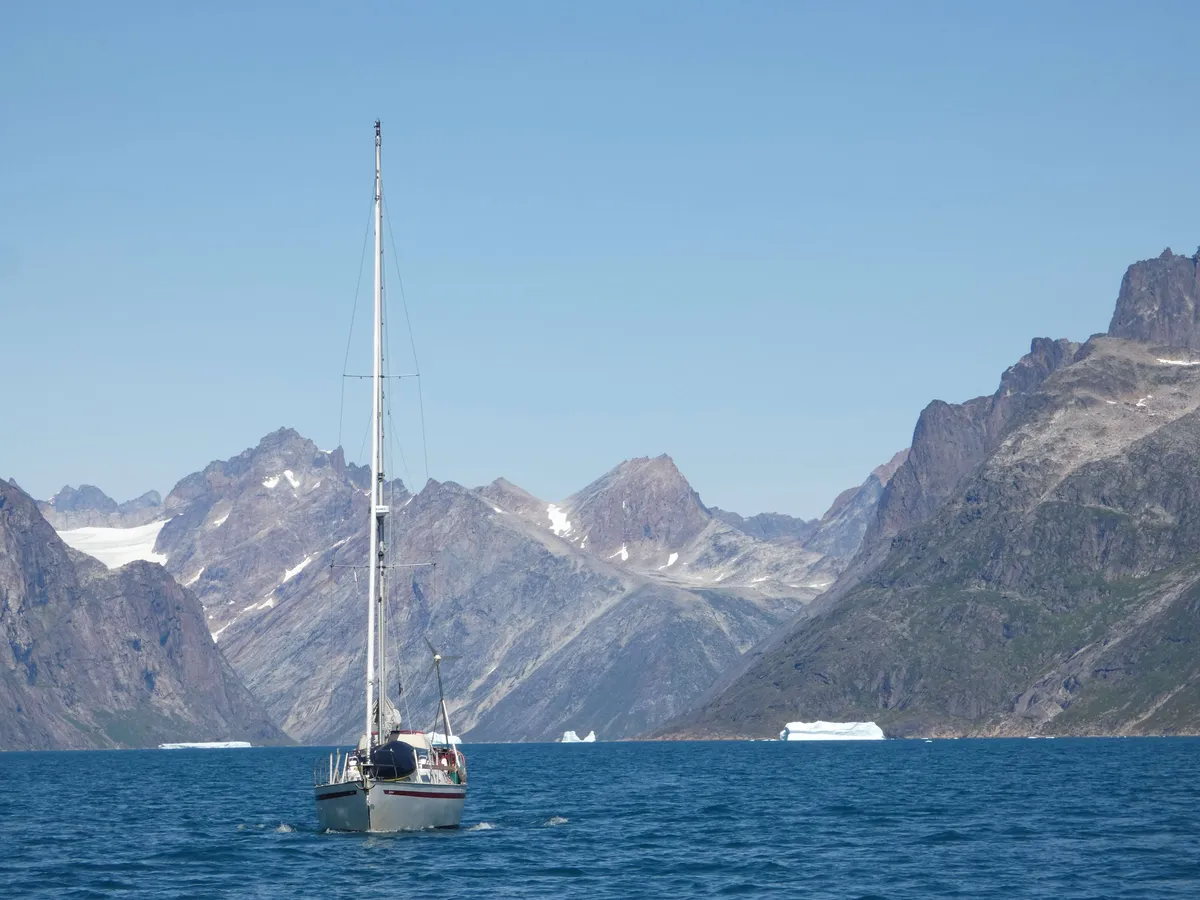
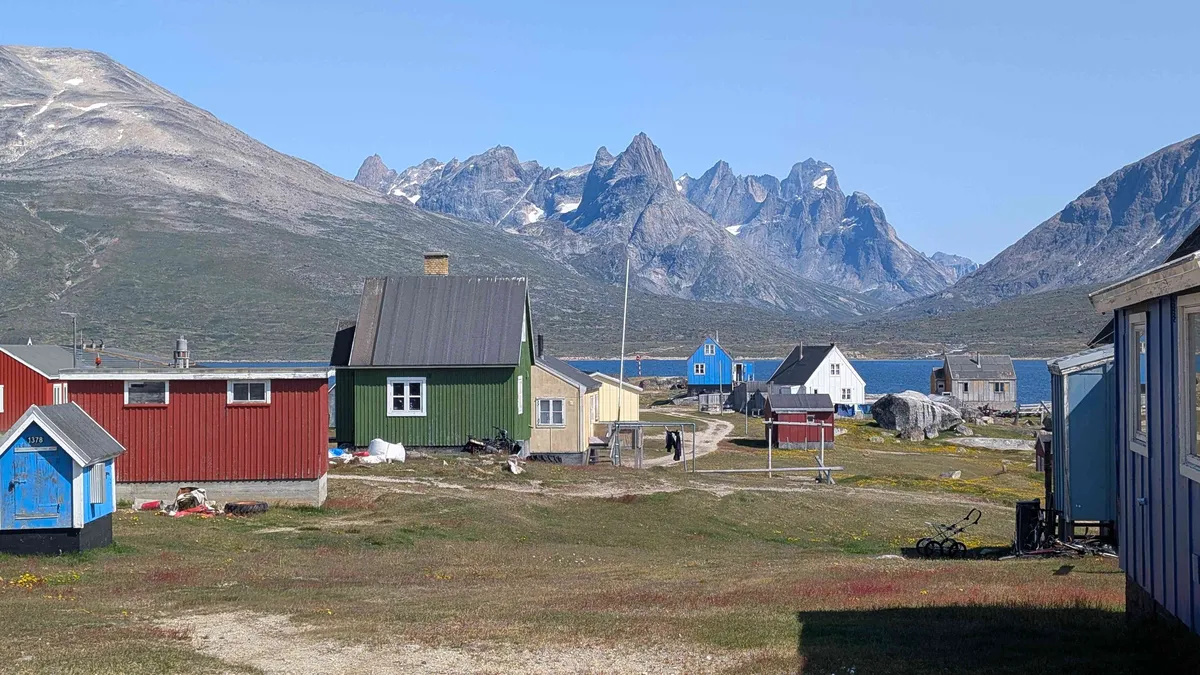
At the end of the sound, Aappilattoq: our first Greenlandic settlement. A harbour cut into the rock, coloured houses sprinkled on the only flat land at the foot of the mountains.
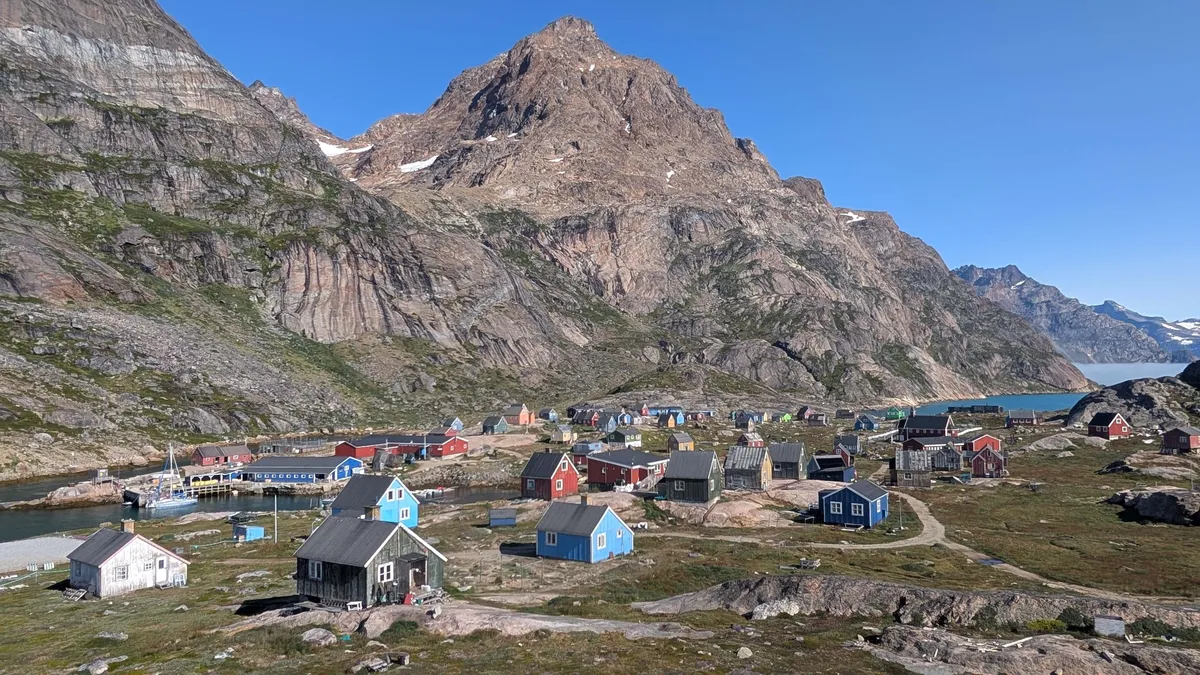
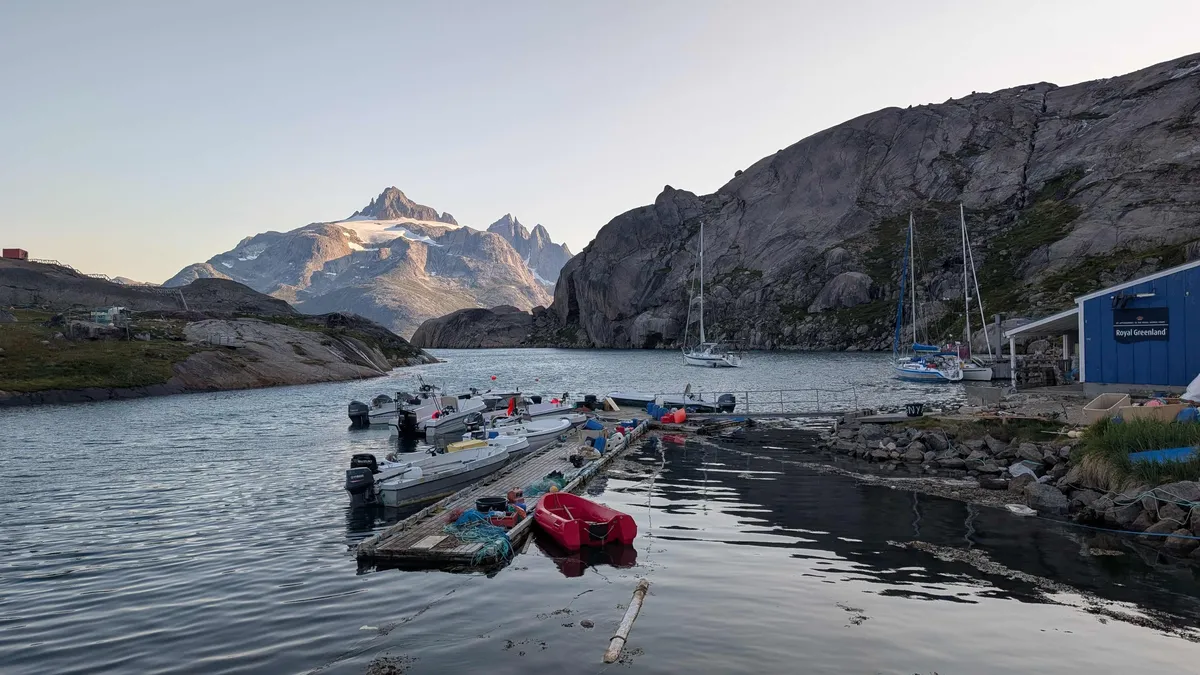
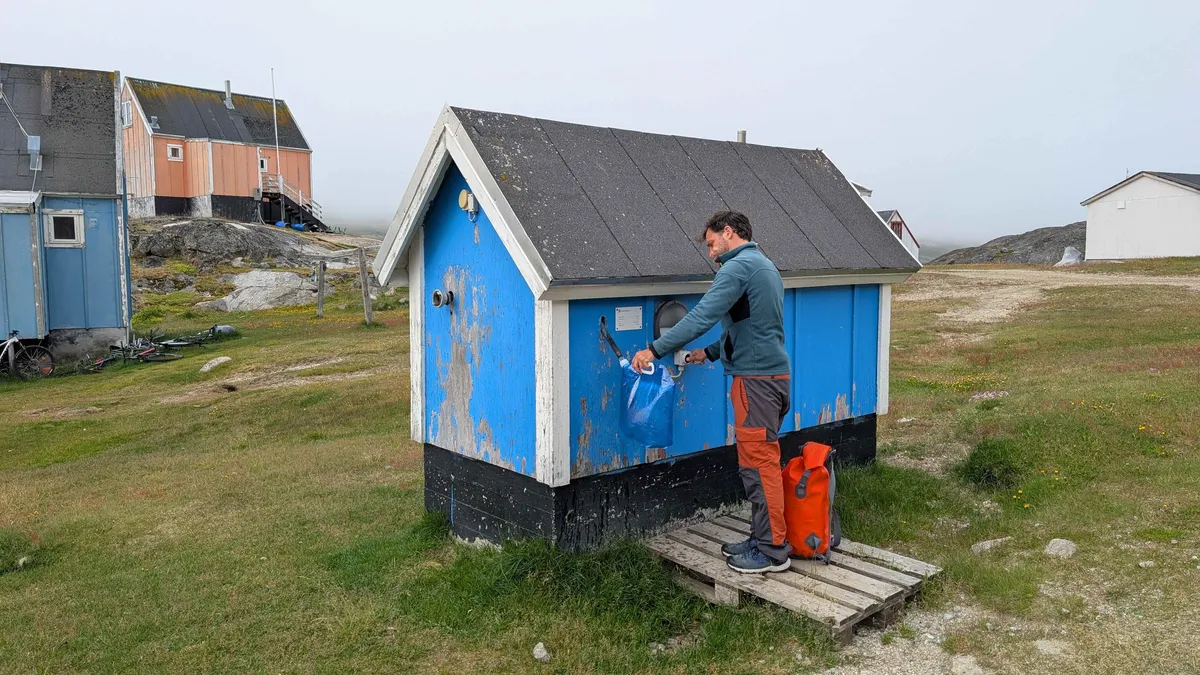
At first sight, a postcard. But also: reachable only by boat, when the sea isn't too frozen, or by helicopter. One delivery in autumn brings what they need to survive the winter. Houses too fragile-looking for the cold. Months of dark, seeing no one but your neighbours. We like to think of ourselves as minimalists, on Capsula. We fetch our water too, we share showers and laundry same as they do. But we don't fish or hunt to survive. We see a supermarket every week, worst case, every month. We've never lived through -30°C. We can leave, sail to the next place, the next country, if we can't take it. They can't.
Little did we know: this settlement, lost in the fjord, would turn out the liveliest and friendliest we'd see in Greenland. Alluitsup Paa and Tasiusaq felt like ghost villages by comparison. And they probably were: population down more than 70% over the last decades. Someone in Alluitsup Paa told us his school had 200 kids when he was young. Now, 5 or 6.
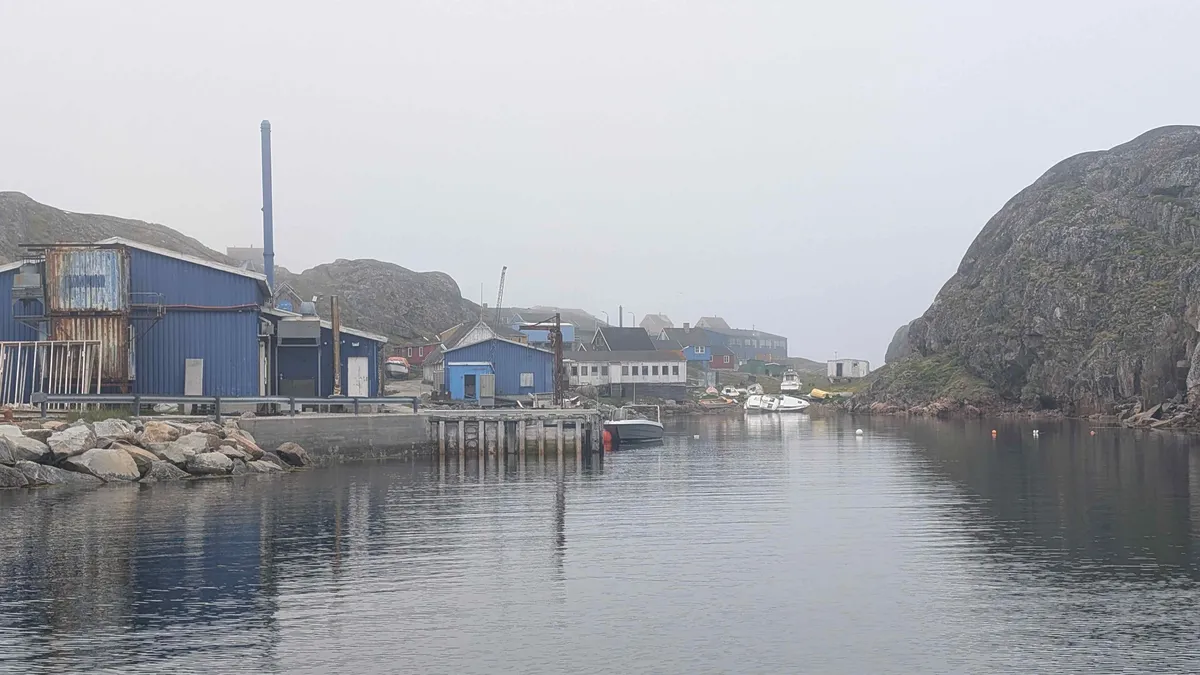
We found some life again in Nanortalik and Qaqortoq: people in the streets, kids playing around, fish market, procession of boats arriving in the harbour to drop or pick up people, and even a few bars, which we could not resist trying. Failed in Nanortalik: trusting Google Maps, we met fellow sailors outside the bar at its listed opening time, only to find it was off by two hours. We picked up beers instead and gathered on the deck of one of our boats. In Qaqortoq, more success. We joined the local crowd: mostly Inuit, of all ages, though mainly old, or old-looking, very friendly, everyone talking to everyone, very drunk, smoking constantly.
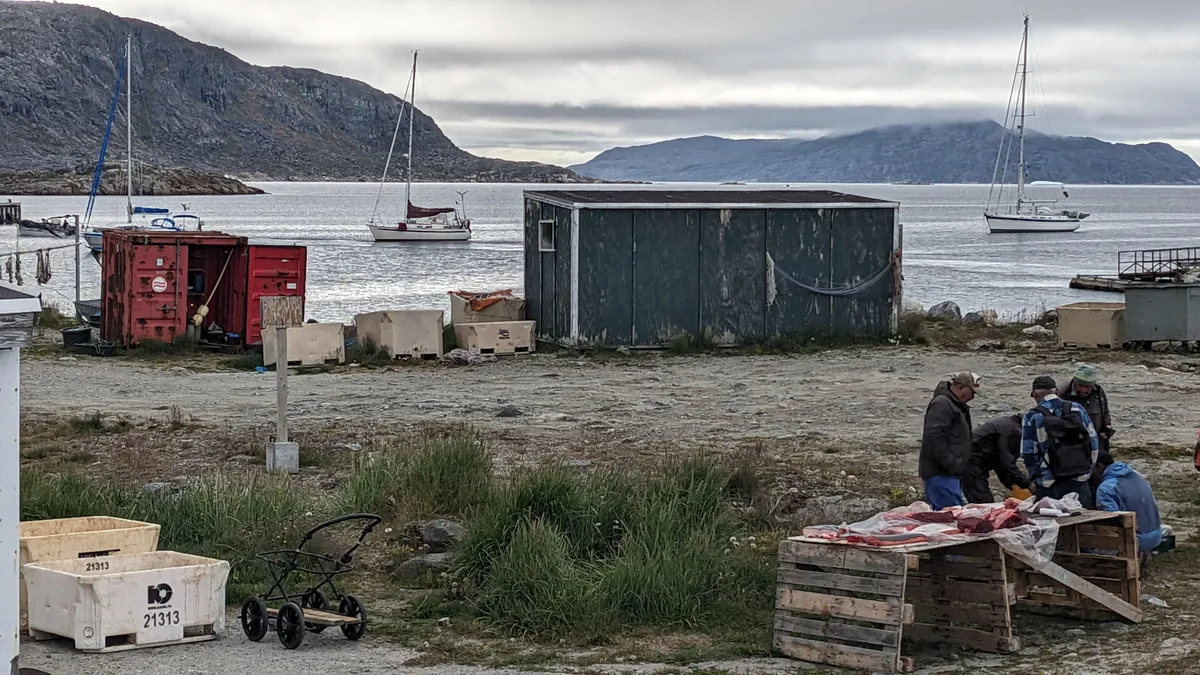
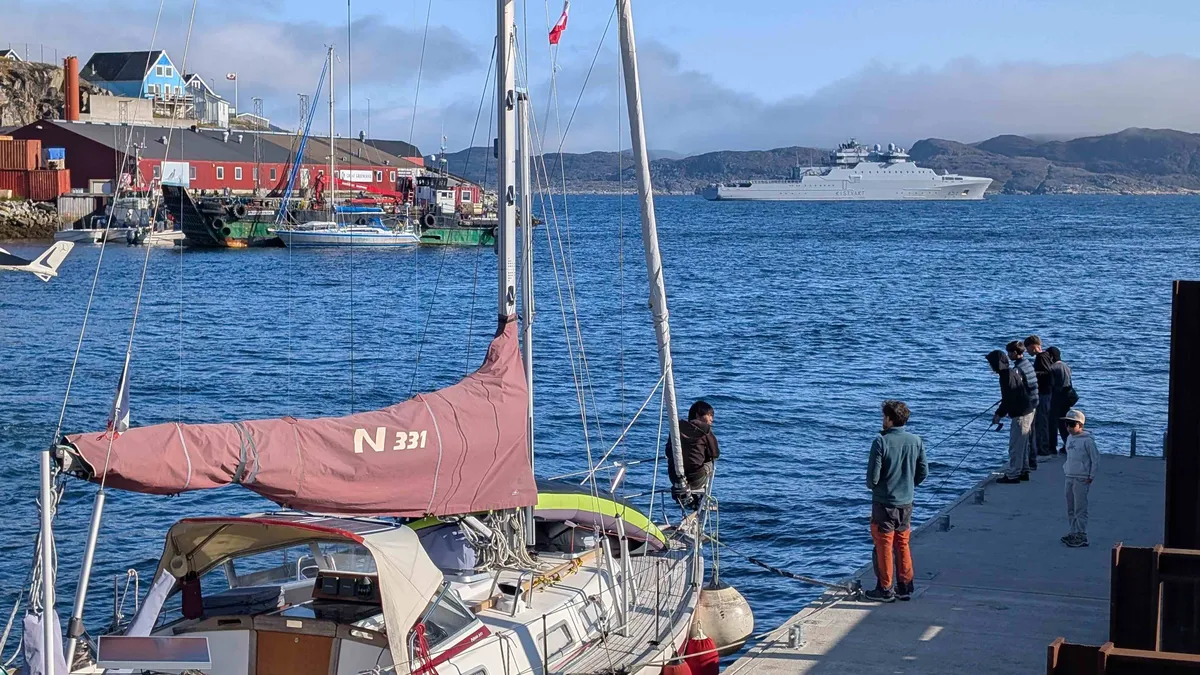
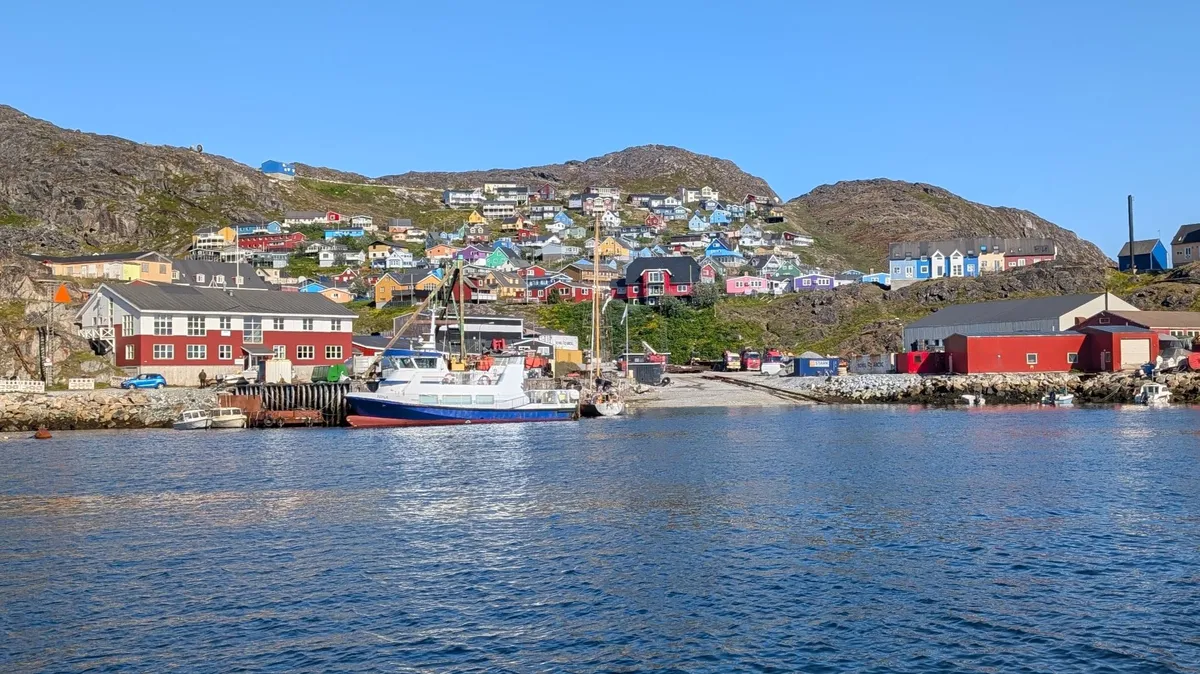
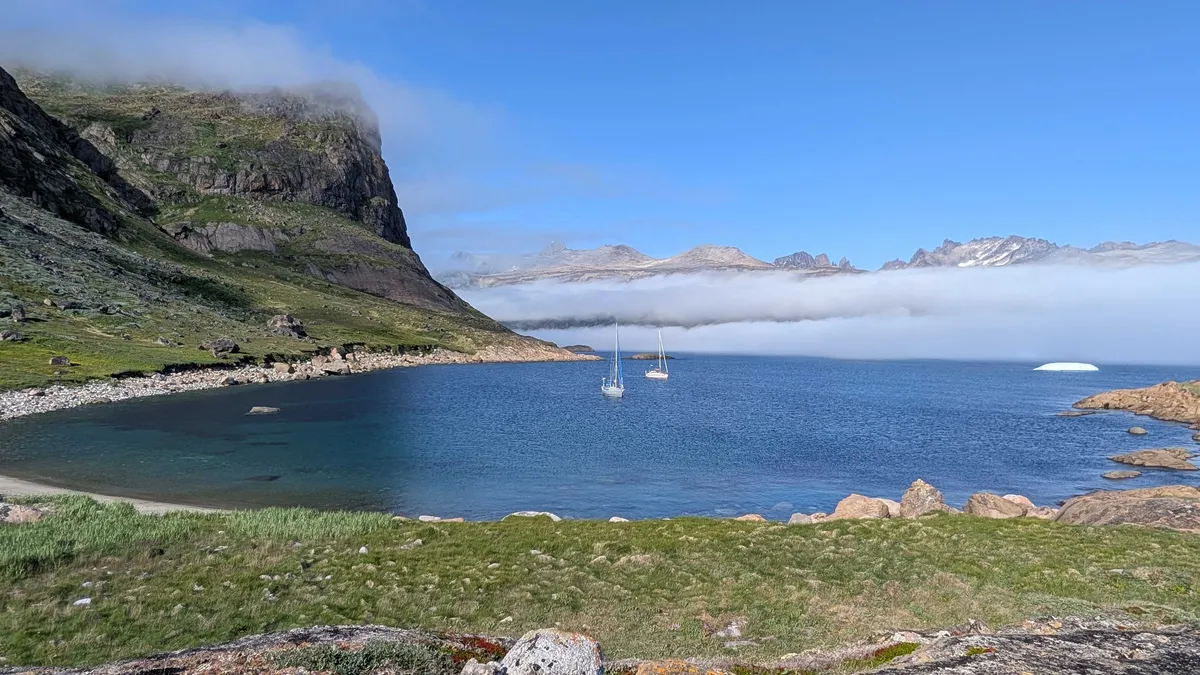
Villages were picturesque wherever we stopped, with coloured houses against a different backdrop each time: hillside harbours, mountain views, fjords lined with icebergs.
Cartwright is less picturesque.
Quieter, though.
⚓ Sailors' Corner
- Motor, a lot. Wind is either absent, in your nose, or too much. We're strict about using the engine as little as possible, and still only sailed about 60% of the distance, against our usual 85%.
- GREENPOS. Regular position reports to JRCC and Aasiaat Radio aren't mandatory for small boats (Galatée skipped it), but we found it a reassuring safety net and complied. Sail plan on departure, progress reports at 06:00, 12:00, 18:00 and 00:00 UTC, final report on arrival.
- Checking in and out. We tried to report our arrival to the police. They said there was nothing to do: we were heading to Canada, already checked out of Schengen in Iceland. As far as the paperwork's concerned, we were never in Greenland.
- Cruising guides. Useful information in the CA cruising guide (British sailing association, need to be a member), Northern waters (by Andrew Wilkes) and the sailing directions for Greenland (available for free on government website). CCA cruising guide is not worth the money.
- Harbours aren't built for sailboats, and the few accessible piers can be exposed. Priority goes to cargo ships, cruise ships, navy ships. Rightly so.
- Anchorages are extraordinarily scenic, and can be hit by ferocious katabatic winds. Check the relief around you.
- Water is available in every small village, from the little blue houses that supply the community.
- Fuel is easy to find everywhere, if you're ready to carry jerrycans.
- Showers and laundry: most villages have a common room with both.
- Shops: most also have a small one, for the basics.
- Would we do it again? As a first time, yes. Now that we've done it, seen it: not sure we're ready to repeat the stress. Unless we invest in a steel motor boat.
Anne, Labrador, August 2026