Sailing is a full time job
When I decided to take a career break to "just" go sailing, many, myself first, wondered how long it would take before I got bored and started craving the excitement of drug discovery.
A year later: bored? Not once.
I was recently reminded of this when I accepted a work assignment for the European community, convinced I had plenty of spare time.
There is the planning.
It starts long before casting off. Deciding where to spend the next season is not simply dropping a pin on a map and buying a plane ticket. First comes the reality check. Tahiti? Too far to reach in one season. Antarctica? Not with Capsula (although…). Wintering in Greenland? Not with a hull not built for icy conditions.
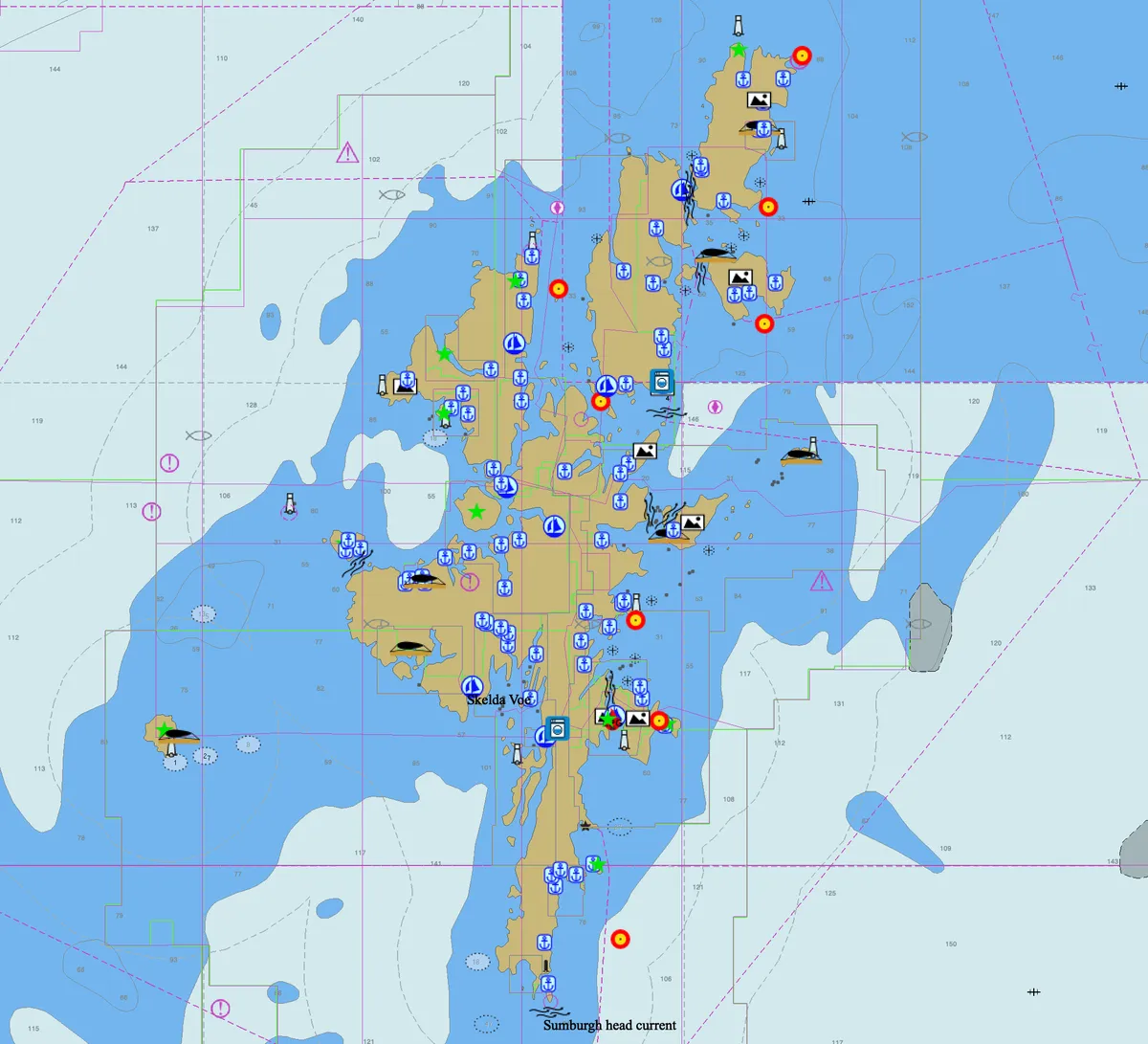
Then comes the operational side. Besides checking that we have the right equipment and dealing with visas and insurance, we disappear into charts, cruising guides, blogs and sailing apps. We are not just looking for places worth visiting but studying every harbour and anchorage along the way: how to enter them, where to moor or drop anchor, how protected they are and what services they offer.
And once underway, plans keep evolving. The forecast is the first thing we check in the morning and the last one in the evening.
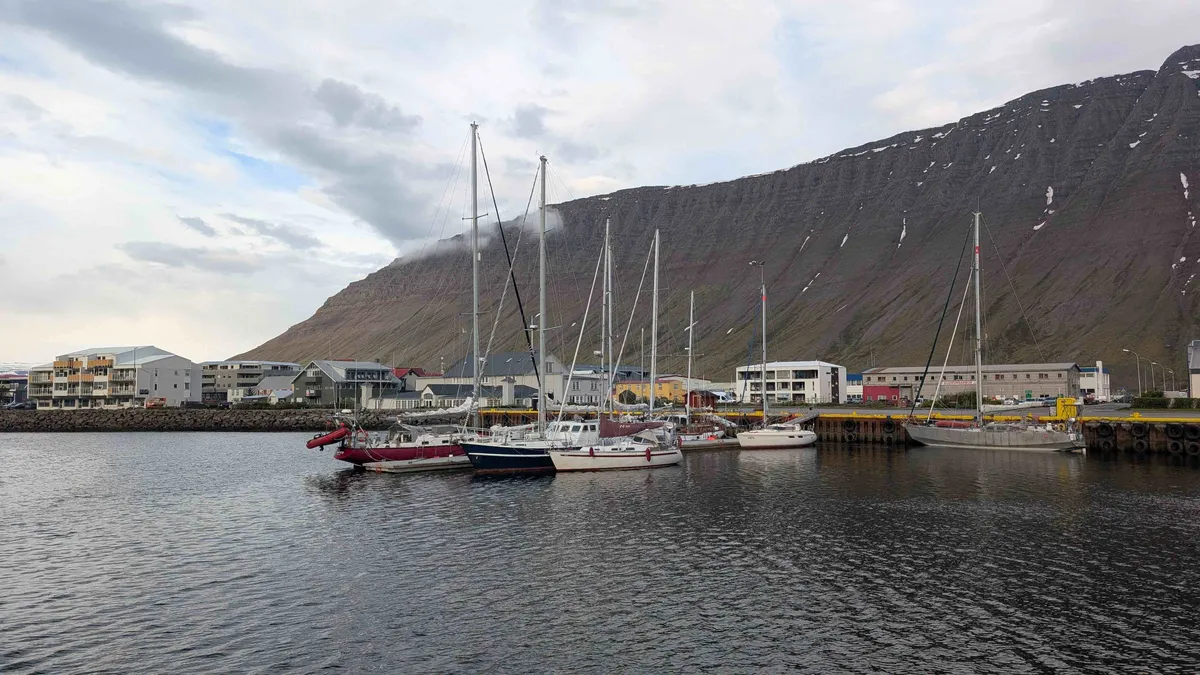
In the Westfjords, our carefully selected "protected" anchorage turned out not to be protected at all. Neither did our backup plan. A few hours later, with the wind still building, we found ourselves heading for Ísafjörður instead.
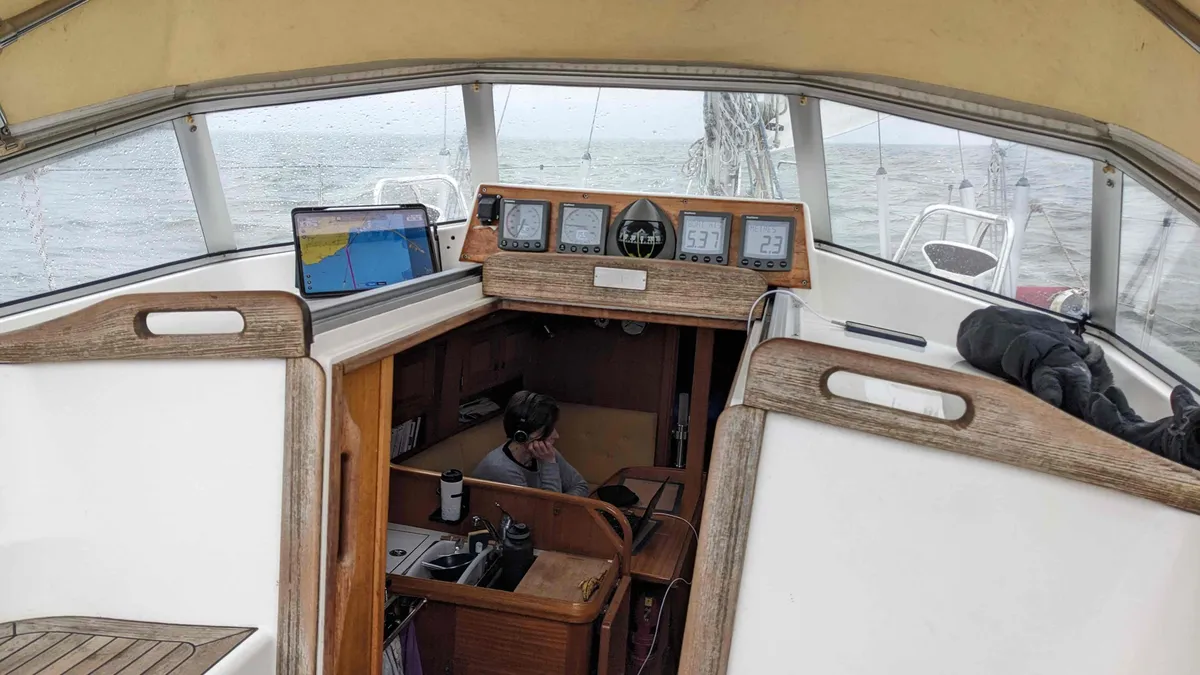
Actual sailing is harder to account for. Once Capsula is settled on course, there is not much to do.
Still, one of us is always on duty. Not just by law: a wind shift can send us off course, and there might be fishing vessels (or war ships) out there that have "forgotten" to activate their location beacon.
In theory, the other one is free. In practice, sleeping, or trying to. Seasickness makes reading, screens and most other indoor activities a terrible idea.
I managed a few times to hold meetings while crossing. More than once, I had to interrupt them to go vomiting.
Boat maintenance is another big contender.
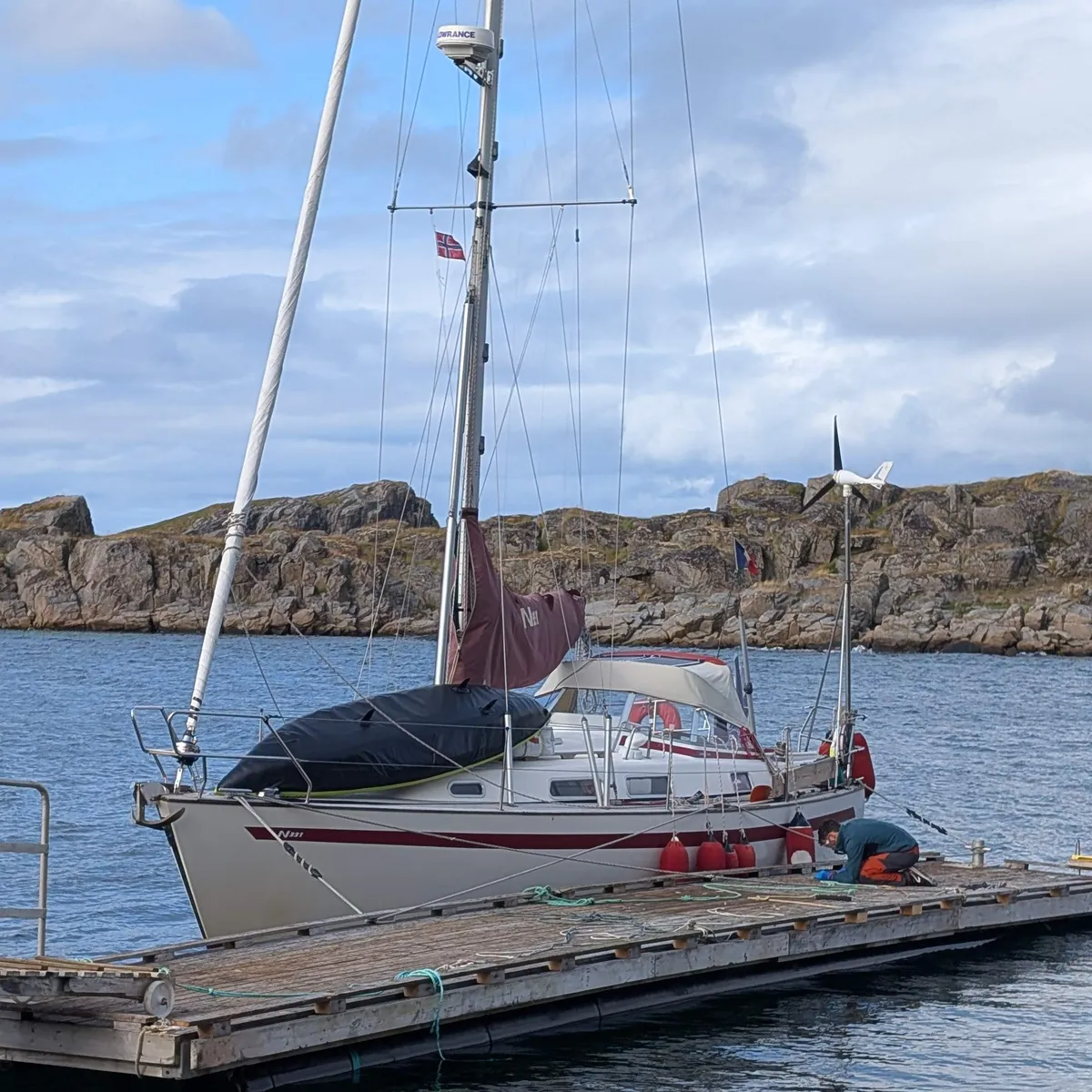
So far, we have been lucky with Capsula and did not have any major issue that forced us to abandon or significantly delay our plans. But still, there is a permanent flow of things to fix. A hose bursts. A sail needs repairing. The autopilot suddenly decides that steering is no longer part of its job description. The wind turbine breaks free during a storm…
There is a saying in the sailing community “cruising is doing boat repairs in exotic locations”.
Everything takes time, starting with mooring or anchoring.
Finding a spot is only the beginning. Then you need to secure the boat, adjusting lines and fenders for the tide and wind, and hope it holds. More than once, we have spent half an hour setting everything up only to be asked to move elsewhere.
At anchor, there is no guarantee the anchor will hold or that a wind shift won't force you to rethink everything.
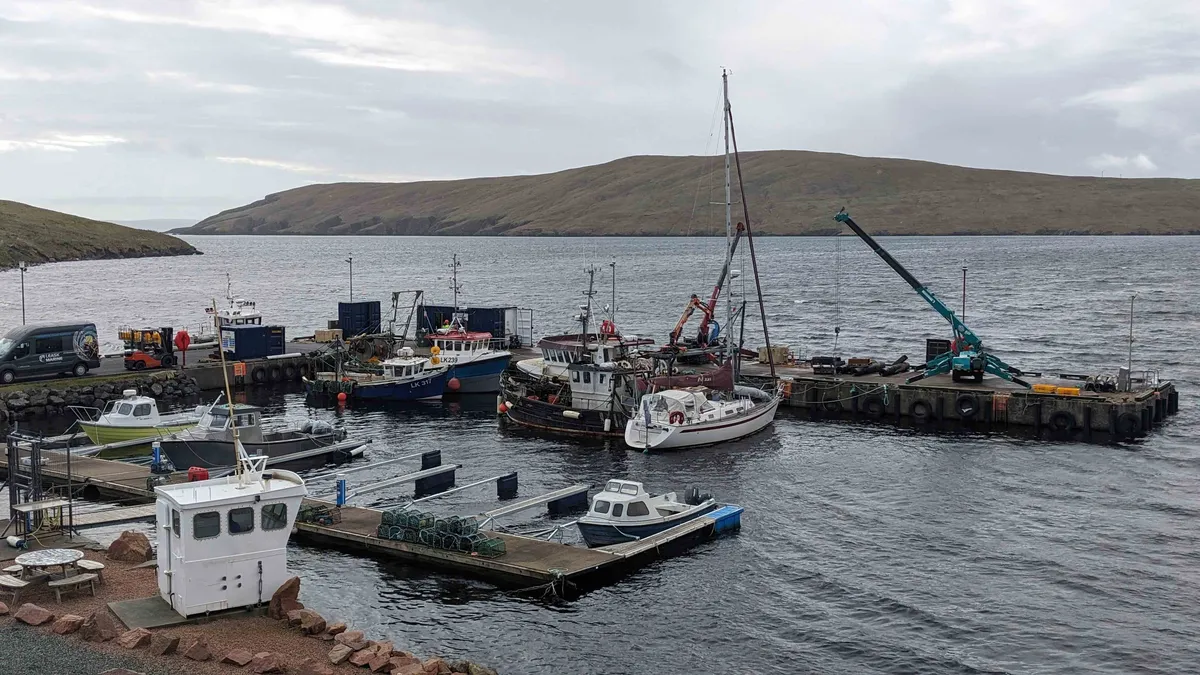
Each stop is a new city, a new configuration. I never realised how much time routine saves until I no longer had one.
Take shopping: locating the supermarket, figuring out how to get there, and learning yet another unfamiliar layout (I still cannot figure out where eggs are supposed to go). The first visit always takes twice as long as the second, if there even is a second.
Or ordering parts. Changing a simple bolt can become an organisational challenge.
On arrival from Svalbard, we realised that one of the bolts holding our windvane (the mechanical autopilot) had broken. Easy: go to your local DIY, buy a new bolt, and replace it. Except that DIY stores reachable by foot or public transport are rare and that they will most likely not have the marine grade bolt needed to withstand salty water. This time, we were lucky. We arrived in Andenes, which had a big enough float of fishing boats to have specialised shops. Usually, we need to buy online and align the delivery with our arrival in a harbour which agrees to receive parcels for us (believe me, this is not all of them).
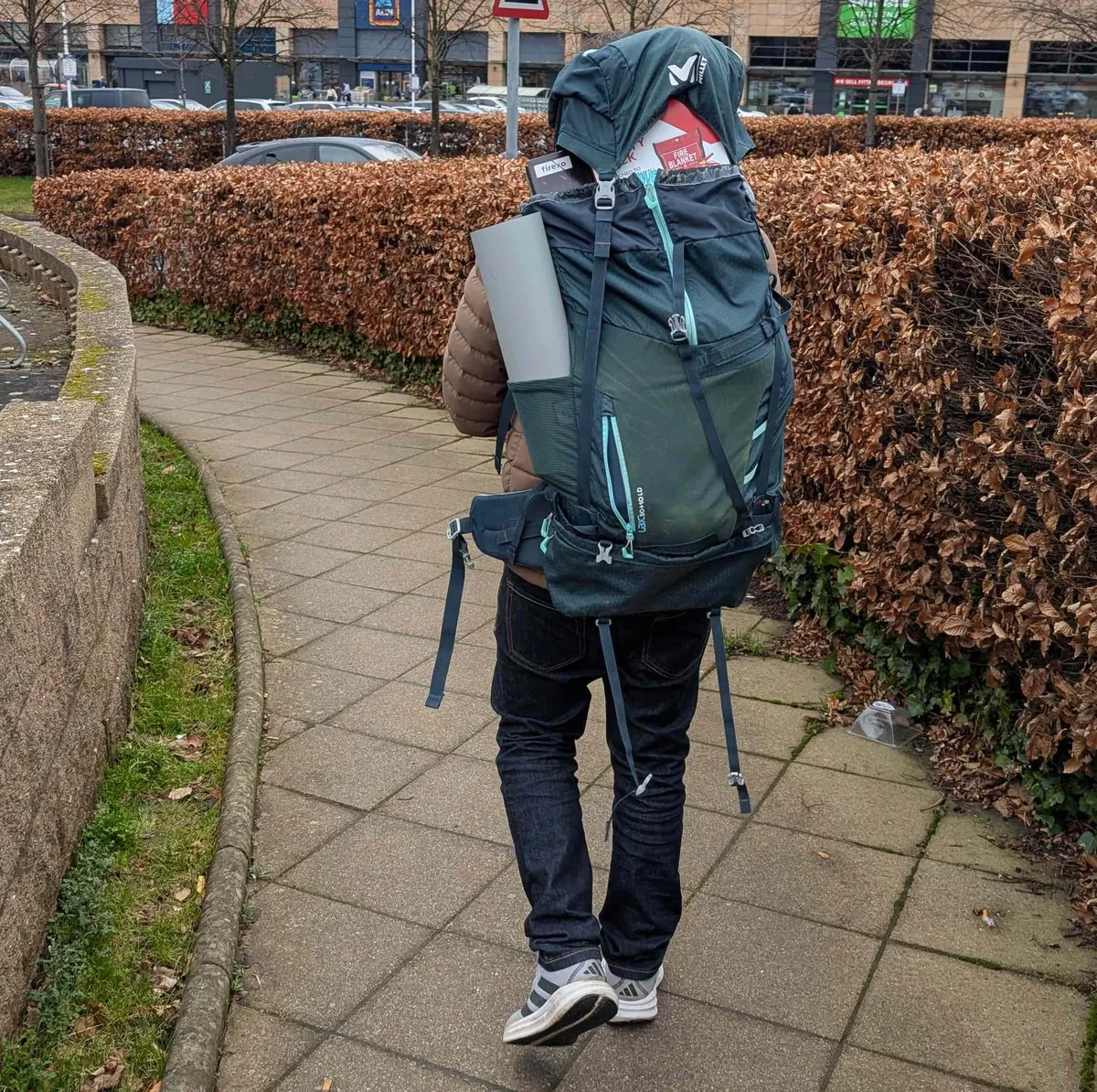
And somewhere in between all of this, the time started behaving differently.
My morning routine is the same as it was in Zurich: stretching, shower, breakfast. Yet it now takes twice as long. The stretches are no longer squeezed into 20 minutes before rushing to work. Coffee is not something I drink while checking emails. I simply sit and drink it. Breakfast follows, unhurried.
Writing this post stretches over a few days.
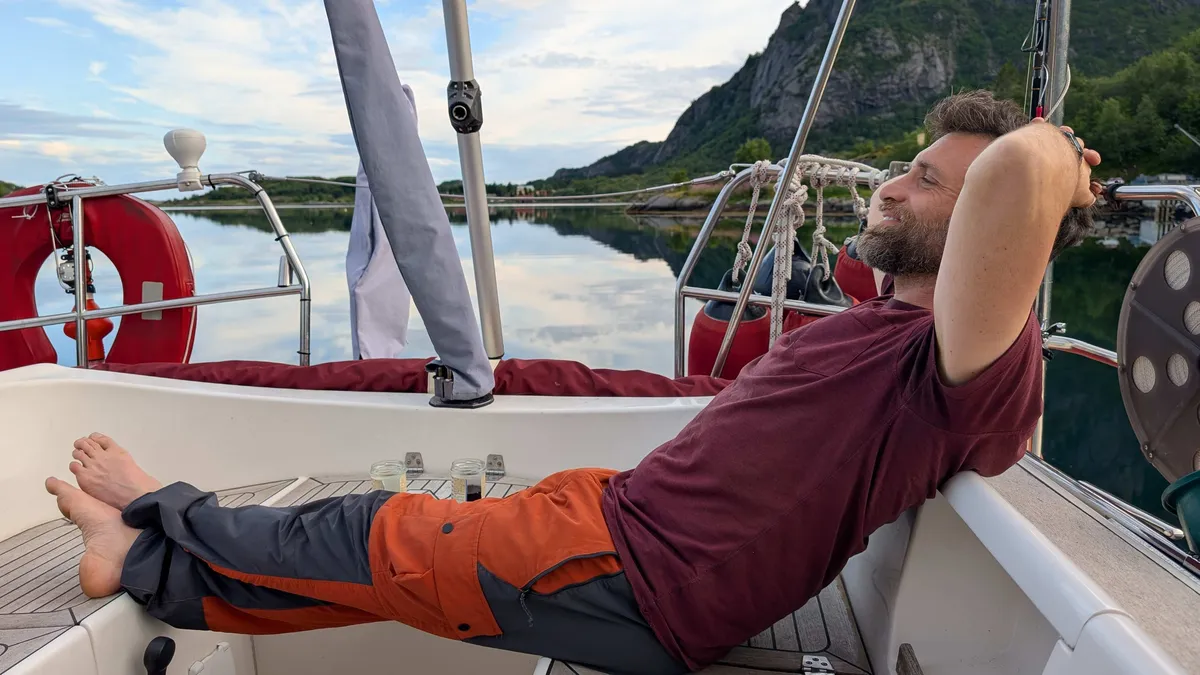
We explore our surroundings, from natural wonders to industrial harbours. Rare are the days when we do not go ashore, besides sailing days.
We meet new people. Chatting with the harbour master in Whalsay, learning about the island, its fishing tradition and his former life in South Africa. Spending a whole morning with the coffee owner in Bolungarvik, whose life had taken her from Arctic skipper to coffee shop owner, and who shared precious information about sailing in Greenland. Meeting June and Malcolm in the middle of the night, after Malcolm returns from fishing, and June comes knocking on our door with more fresh scallops than we could possibly eat.
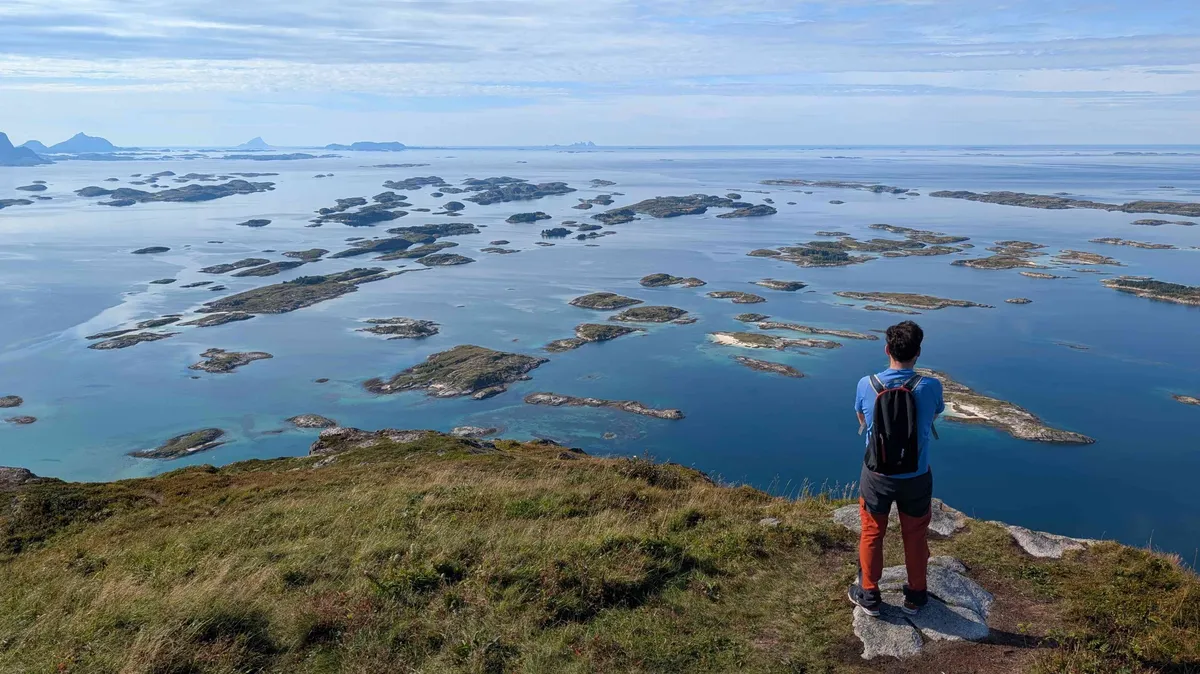
Sailing is certainly full-time, with little place for boredom (or work assignments).
But the title of this post is deceptive.
It is not a job.
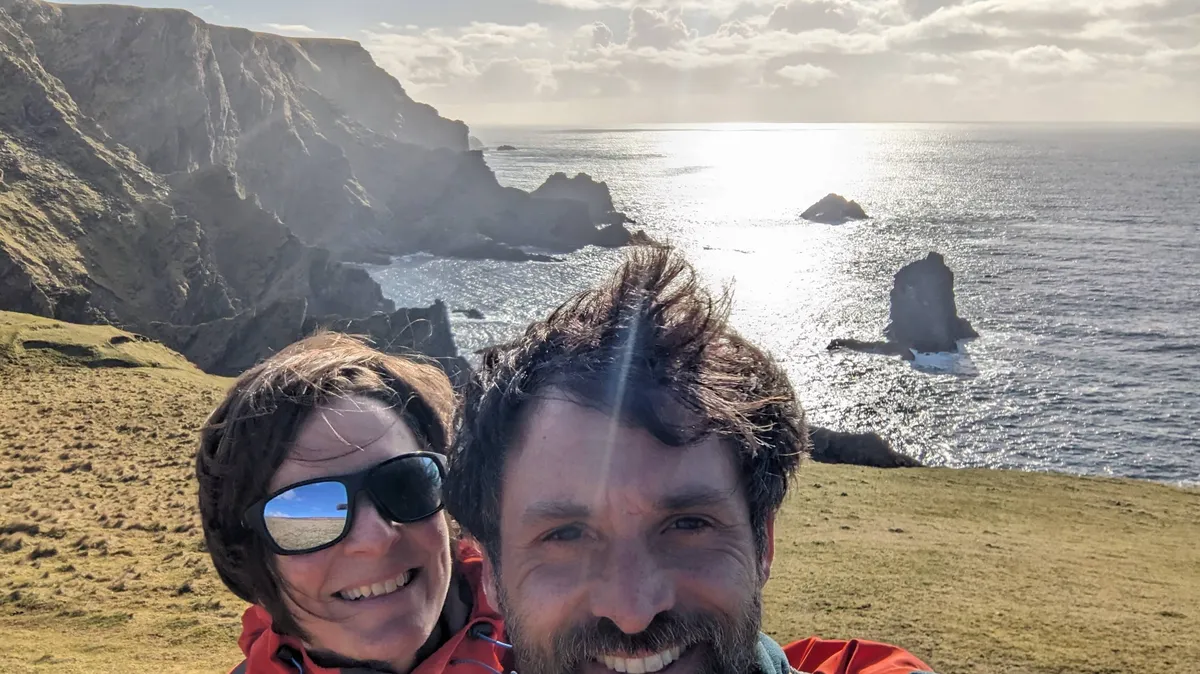
Anne, Iceland, June 2026