The further north the warmer the welcome
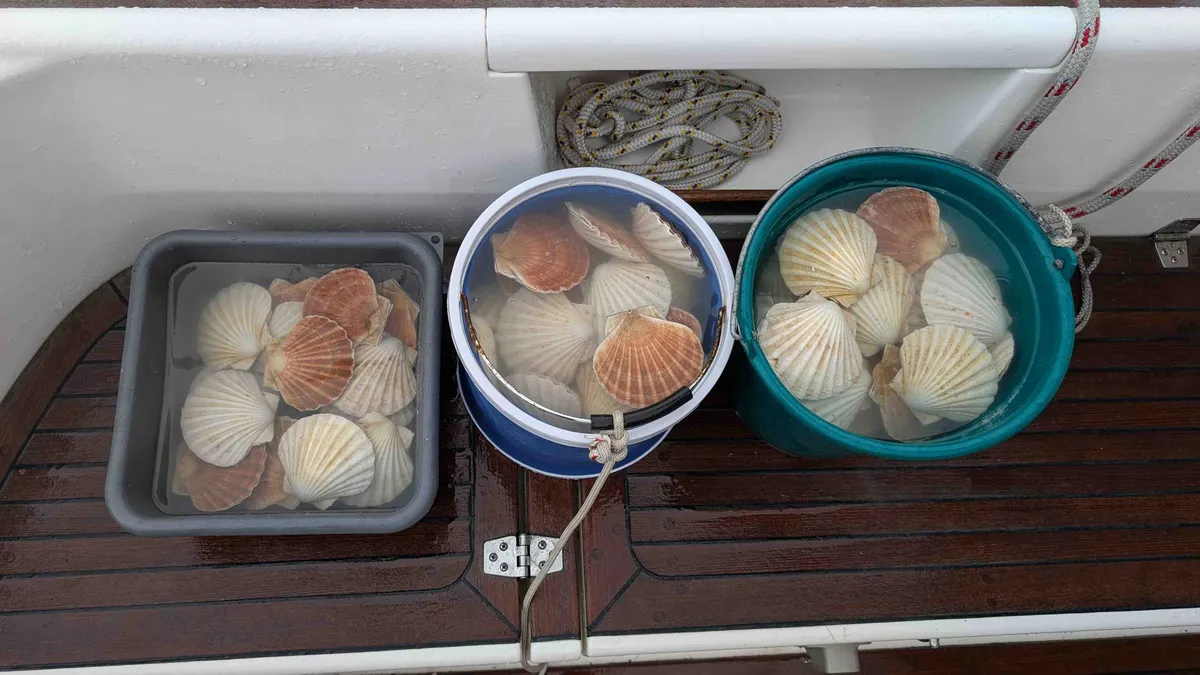
“Are you sure you don't want a crab?” asked June after having already given us a few kilos of fresh scallops and three monkfish, refusing any payment. We politely refused, joking that we wouldn’t even know how to eat it, let alone prepare it.
We felt touched, and a bit awkward. How do you answer such generosity? We did not know how to thank her and her husband.
This is one of many small gestures of welcome we’ve experienced since our arrival in Shetland (if three kilos of scallops count as small). In Orkney, we discovered a concept that could explain such attentiveness; “Islandness”. In Shetland, we found it amplified.
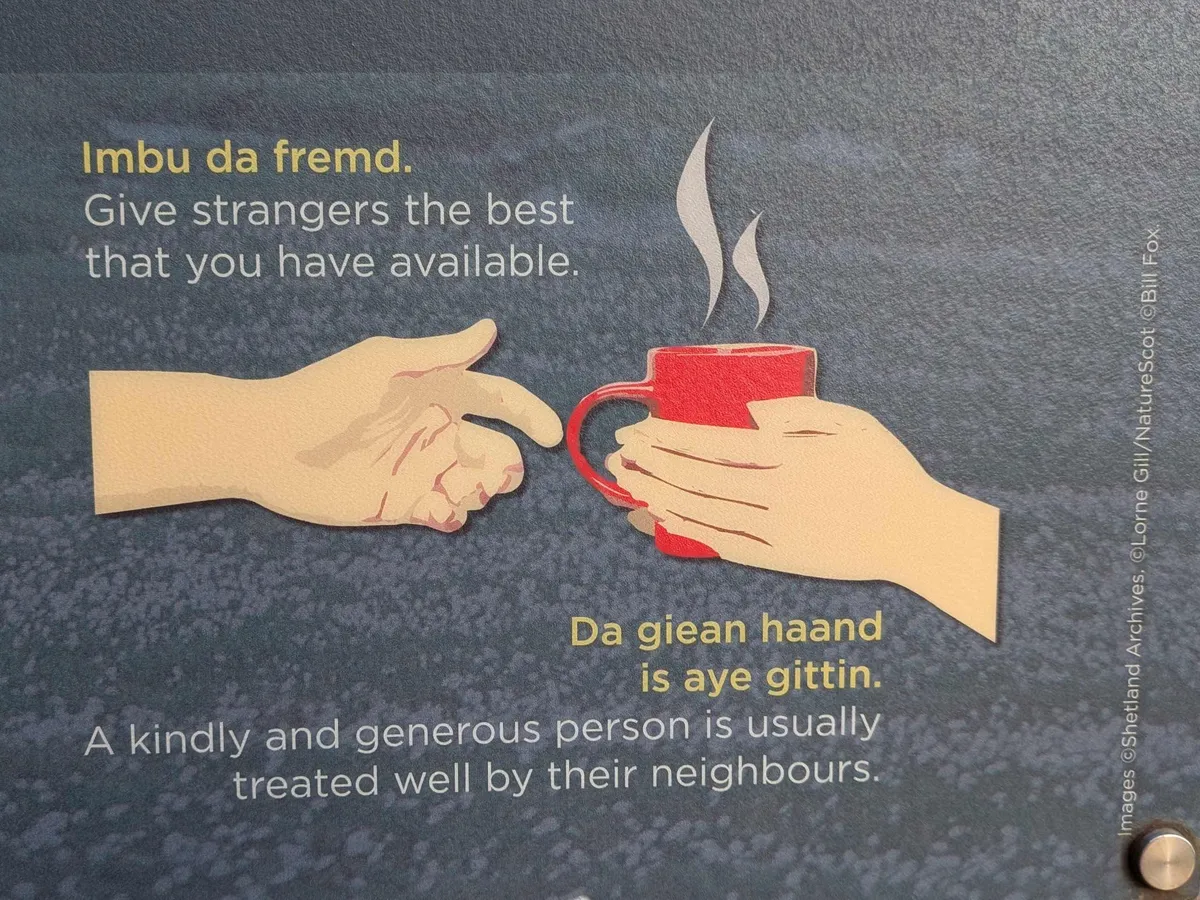
We felt like we were in another country. It started with the local dialect and our struggles to understand what people were saying, especially in smaller islands. The warmth and spontaneity of the fiddle music evenings in local pubs reminded us of Ireland. There are proud references to their Norwegian roots, celebrated every January in the Up Helly Aa festival (we were warmly advised to return for this event). They even have a word for non-Shetlanders: soothmoothers (literally south-mouths). It refers to anyone from the south, meaning essentially everyone. Had I read about it beforehand, I would have expected such a strong identity to come with suspicion of outsiders. We found the opposite.
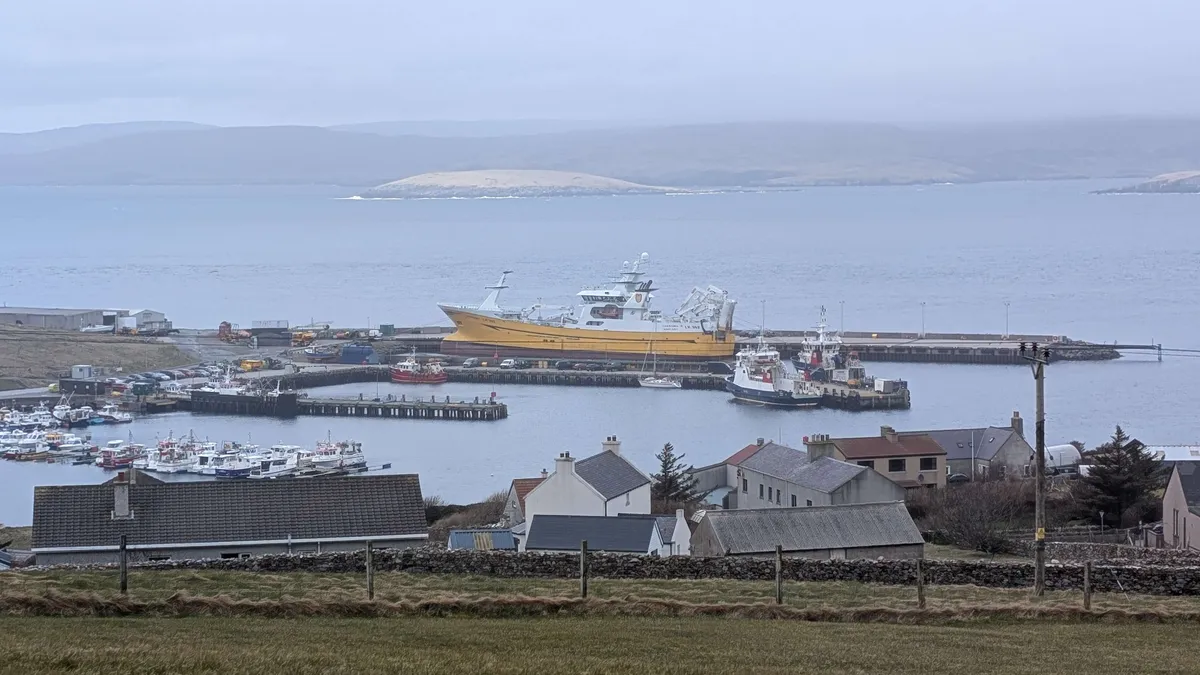
Maybe because Shetlanders are a nation of seafarers, used to travelling the world and welcoming mariners from all nationalities.
On Whalsay, the harbour master was waiting for us at the pier. He helped us with the mooring lines (a relief, given how high the pier stood above our deck), provided us with all the information we needed and chatted for 30 minutes about life in Shetland. We thought this was already a lot, but he came back an hour after: “guys, do you need bikes to explore the island?”. Sure, this would be amazing. And just like that, he drove us to his place and lent us his and his daughter’s bikes.
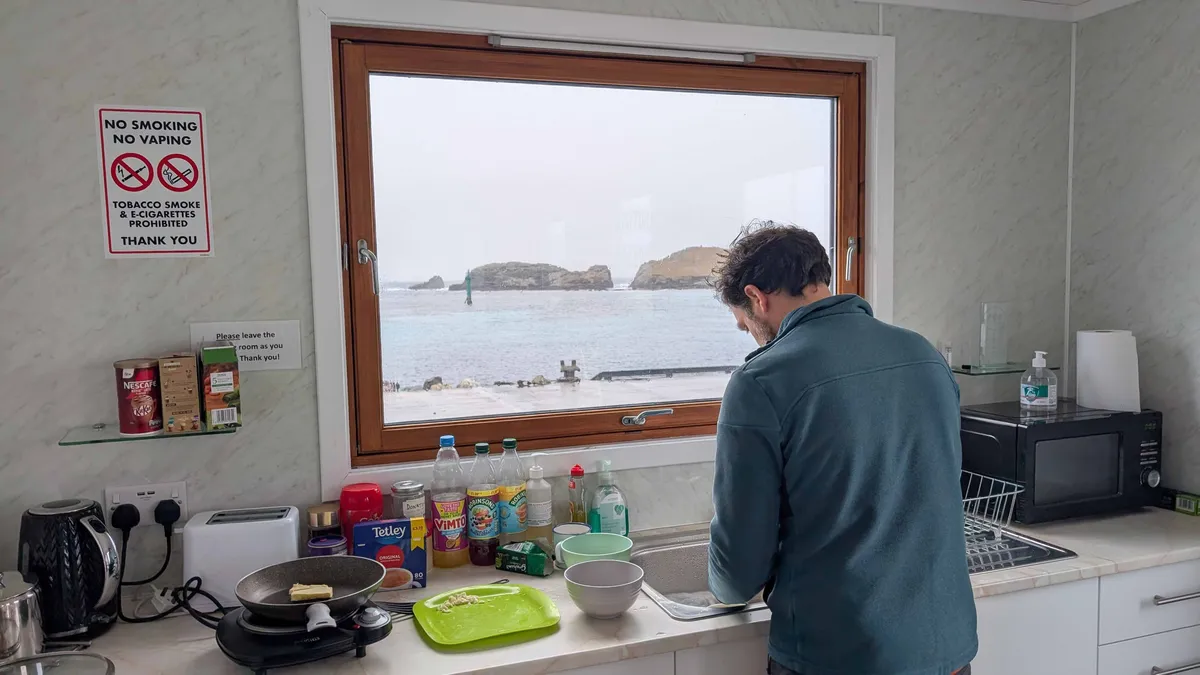
In Out Skerries, after a rough passage, and with Capsula still dancing on the waves at the pier, we were relieved to find a heated (and stable) welcome room with tables, sofas and a little kitchen with more useful basics (tea, coffee, milk, washing liquid...) than you’ll find in a standard Airbnb. A lady arrived soon after we landed and checked with us that we had all we need. She explained they set this room up for ferry passengers, who might need a place to warm up, even in summer.
Everywhere people were curious about us and Capsula: where we were coming from, where we were going.
They still live by the sea and with the sea: fishing and salmon farms represent a large part of the economy, ferry rides are often necessary to go shopping or see the doctor and reaching mainland UK means 12 hours at sea. One evening in a pub, we witnessed teenagers explaining to tourists that their ferry might not leave because a storm was coming, with gusts up to 80mph. How often do you meet teenagers who can casually tell you the wind conditions at sea? They know what it takes to get here by sea, especially in this season. There are only a few of us around yet, we met our first buddy boat in Lerwick two weeks ago. In a place like La Rochelle, where there are hundreds of sailing boats each season, that kind of attentiveness would simply be harder to sustain.
And we will move on. The welcome doesn't have to last forever.
Anne, Scalloway, April 2026